Pearl Jewelry Pricing Secrets: How Quality and Rarity Affect Value
Pearl jewelry can cost anywhere from 50 to 50,000. Why such a big difference? The answer lies in quality and rarity. This guide will explain how these factors decide pearl prices. Let’s break it down step by step.
What Makes Pearls Valuable?
Pearls are natural gems made by oysters. Unlike diamonds or gold, their value isn’t just about size or weight. Real pearls get their worth from three main things:
- How perfect they look (quality)
- How hard they are to find (rarity)
- The type of pearl
The 5 Quality Factors That Change Prices
1. Luster (Shine)
Luster means how shiny a pearl is. High-quality pearls glow like a mirror. You can see clear reflections on their surface. Low-quality pearls look dull or chalky. Better shine means higher prices.
2. Surface Flaws
Real pearls almost always have small flaws. Check for spots, bumps, or cracks. Pearls with fewer flaws cost more. But remember: No pearl is perfect. If one looks flawless, it might be fake.
3. Shape
Round pearls are the rarest and most expensive. Other shapes (oval, button, baroque) cost less. Baroque pearls (uneven shapes) are usually cheapest but popular in artistic designs.
4. Size
Bigger pearls cost more. A 10mm pearl costs much more than a 6mm pearl of the same quality. Saltwater pearls (like Akoya) rarely grow over 9mm. South Sea pearls can reach 20mm.
5. Color
Some colors are rarer than others. White and pink are common in freshwater pearls. Golden South Sea pearls or black Tahitian pearls are rare. Natural color is better than dyed color.
How Rarity Affects Pearl Prices
Type of Pearl
- Freshwater Pearls: Grown in lakes/rivers. Cheapest (from $20). Common shapes/colors.
- Akoya Pearls: Saltwater. Very round. Prices start around $100.
- Tahitian Pearls: Saltwater. Natural black/gray. Start at $500.
- South Sea Pearls: Saltwater. Golden/white. Largest size. Start at $1,000.
Natural vs Cultured Pearls
Natural pearls (made without human help) are extremely rare. They cost 10x more than cultured pearls. Most pearls today are cultured (farm-grown).
Production Time
A freshwater pearl takes 1-2 years to grow. A South Sea pearl needs 2-5 years. Longer growth time means higher cost.
Other Factors That Change Prices
1. Brand Names
Luxury brands (like Mikimoto) add big markups. A 1,000pearlnecklacemightcost1,000pearlnecklacemightcost5,000 with a luxury brand tag.
2. Jewelry Design
A simple pearl pendant costs less than a necklace with diamonds or gold accents. Handmade designs cost more than machine-made ones.
3. Certifications
Pearls with lab certificates (like GIA) cost 20-30% more. These papers prove quality and origin.
How to Avoid Overpaying
- Learn the quality grades:
- AAA (Top 10%): Few flaws, strong shine
- AA (Top 30%): Slightly duller, more flaws
- A (Average): Visible flaws, weak shine
- Compare prices online before buying.
- Ask if colors are natural or dyed. Natural colors cost more.
- Check return policies. Reputable sellers offer at least 7-day returns.
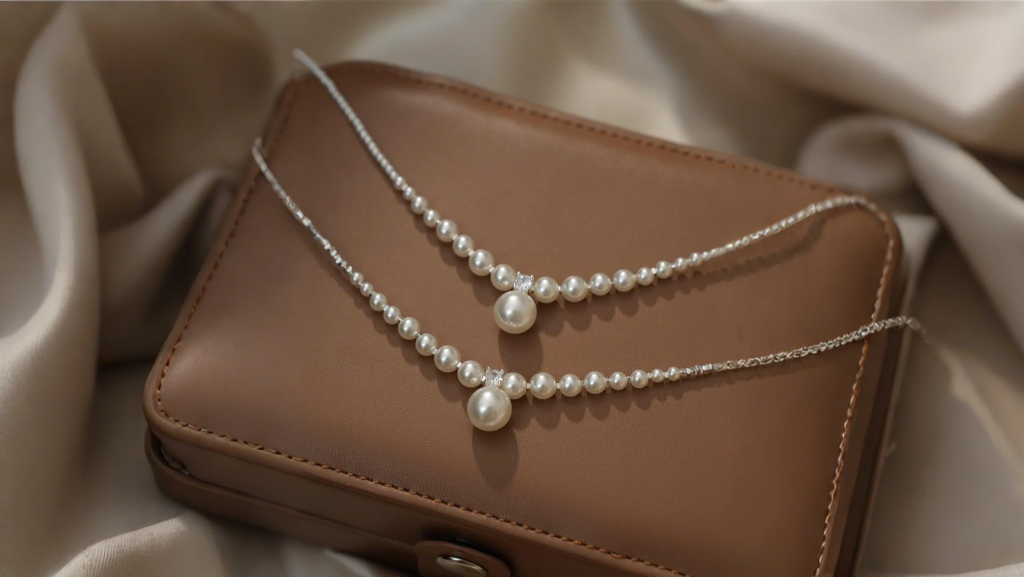
Why Some Pearls Look Similar But Cost Different
Example 1:
- $50 Pearl Necklace: Freshwater, 6mm, slight flaws, dyed pink
- $500 Pearl Necklace: Akoya, 8mm, near-round, natural color
Example 2:
- $1,000 Golden Pearl: 12mm, cultured South Sea, AAA grade
- $10,000 Golden Pearl: 15mm, natural (not cultured), perfect round
Care Tips to Keep Value
- Store pearls in soft cloth (not plastic).
- Clean with damp cloth (no chemicals).
- Restring necklaces every 2 years.
FAQs About Pearl Prices
Q: Are expensive pearls always better?
A: Not always. A 300AAAfreshwaterpearlcanlookbetterthana300AAAfreshwaterpearlcanlookbetterthana1,000 low-grade South Sea pearl. Focus on quality grades.
Q: Do pearls lose value?
A: High-quality pearls keep value well. Low-quality pearls lose value fast.
Q: Are vintage pearls valuable?
A: Only if well-kept. Yellowed or chipped pearls lose 80-90% value.
Q: Can I negotiate pearl prices?
A: Yes, especially at local shops. Big stores usually have fixed prices.
Final Tips for Buyers
- Always check luster first – shine matters most.
- Bigger isn’t always better – a small high-quality pearl beats a big flawed one.
- Ask for lab certificates if spending over $1,000.
Pearl pricing isn’t a mystery. Use this knowledge to find jewelry that fits your budget and style. Remember: The best pearl isn’t the most expensive one – it’s the one that makes you happy every time you wear it.

About author





Add comment